
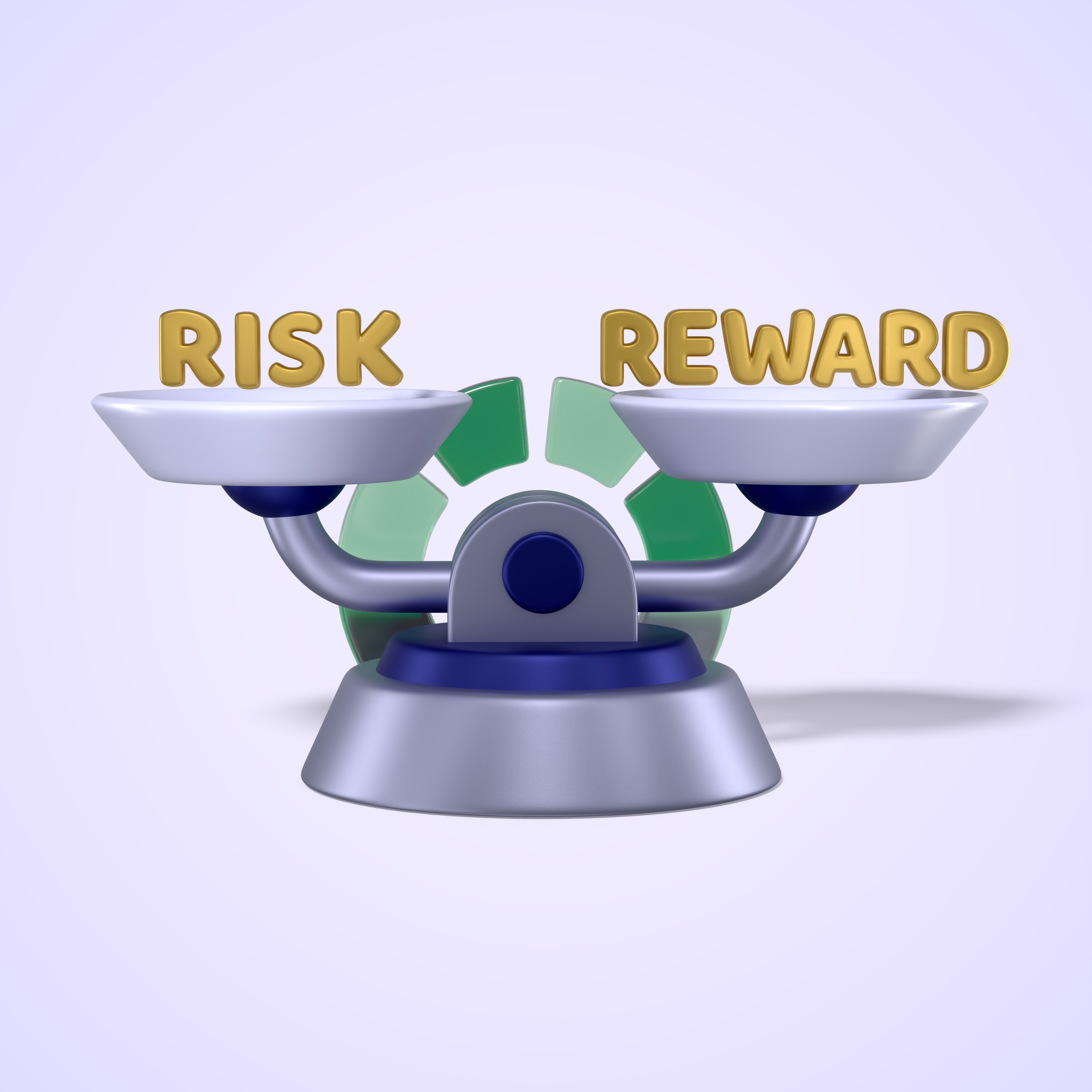

There was a time when sustainability information was largely seen as a reflection of an organization’s values. Annual sustainability reports highlighted environmental initiatives, community investments, employee programs, and governance practices, often serving as a way to demonstrate accountability and corporate citizenship. While these disclosures were important, they were rarely viewed as information that could influence business strategy or financial decision-making.
That has changed.
Today, the conversations taking place in boardrooms are no longer limited to revenue growth, operating costs, or market expansion. Increasingly, they include discussions about climate resilience, supply chain disruptions, resource security, workforce wellbeing, regulatory change, and the ability of organizations to adapt to an increasingly uncertain world. These are not peripheral concerns. They are business issues with real financial consequences.
As a result, sustainability information has taken on a different role. It is no longer collected simply to tell stakeholders what an organization has done. It is becoming essential to understanding what could happen next.
This shift reflects a growing recognition that many of the factors shaping business performance cannot be captured by financial statements alone. A manufacturing company facing water scarcity, a financial institution assessing climate-related lending risks, or a retailer navigating changing consumer expectations all require information that extends beyond traditional financial metrics. Without it, organizations are making strategic decisions with only part of the picture.
The same is true for investors and lenders. Capital providers are increasingly asking not only how an organization performed last year, but whether it is prepared for the risks and opportunities that could influence its future performance. They want to understand how climate change, natural resource dependencies, human capital, and governance issues may affect an organization’s resilience, cash flows, access to capital, and long-term prospects.
This is where sustainability information becomes invaluable. It provides insight into issues that can shape enterprise value over time, helping organizations make better decisions while enabling investors to allocate capital with greater confidence.
Read also: Understanding IFRS S1 and S2 and their importance to the finance sector
Recognizing this need, the International Sustainability Standards Board (ISSB) introduced IFRS S1 and IFRS S2, establishing a global baseline for sustainability-related financial disclosures. Rather than creating another reporting framework, these standards acknowledge a fundamental reality: sustainability-related risks and opportunities have become material to business performance and should therefore be communicated with the same rigor and consistency as financial information.
The significance of these standards extends far beyond reporting. They signal a shift in how organizations think about sustainability itself. Sustainability is no longer an activity undertaken by one department or addressed once a year through a standalone report. It is increasingly embedded in governance, enterprise risk management, strategic planning, investment decisions, and business performance.
This transformation is also changing the capabilities organizations need. Sustainability professionals are expected to understand financial implications. Finance teams are being called upon to interpret sustainability-related risks. Risk managers, executives, and boards are working more closely than ever to ensure that sustainability considerations are integrated into core business decisions rather than treated as separate from them.
For professionals, this convergence presents an opportunity to develop skills that sit at the intersection of sustainability and finance. For organizations, it offers the ability to strengthen resilience, improve decision-making, and build greater confidence among investors and other stakeholders.
Ultimately, connecting sustainability, risk, and long-term value is not about reporting more information. It is about recognizing that the quality of business decisions depends on the quality of the information that informs them. As sustainability-related risks and opportunities become increasingly influential, organizations that understand, measure, and communicate them effectively will be better positioned to navigate uncertainty, attract capital, and create lasting value in a rapidly changing world.