
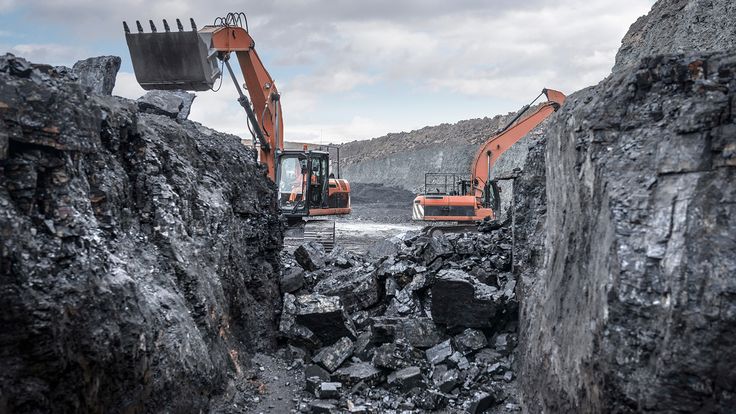

Across Africa, the energy landscape is undergoing a remarkable transformation. As it moves away from coal to embrace cleaner energy, the vast lands left behind by mining present a unique opportunity for transformation. Repurposing these abandoned coalfields into solar fields can generate renewable electricity, create green jobs and restore degraded ecosystems.
This approach reflects the principles of circular land use, which promotes reusing and regenerating land instead of exploiting new areas. More than an energy shift, it represents a just transition that turns the legacy of extraction into a model of sustainability, inclusivity and hope for Africa’s future.
Coal mining which is the extraction of coal from underground or open-pit deposits has historically fueled industrial growth but left behind severe environmental and social impacts including land degradation and greenhouse gas emissions. In contrast, solar fields, which use photovoltaic panels to convert sunlight into electricity, offer a clean and renewable alternative aligned with sustainability principles.
Read also: Key issues shaping COP30 and what they mean for Africa’s sustainability journey
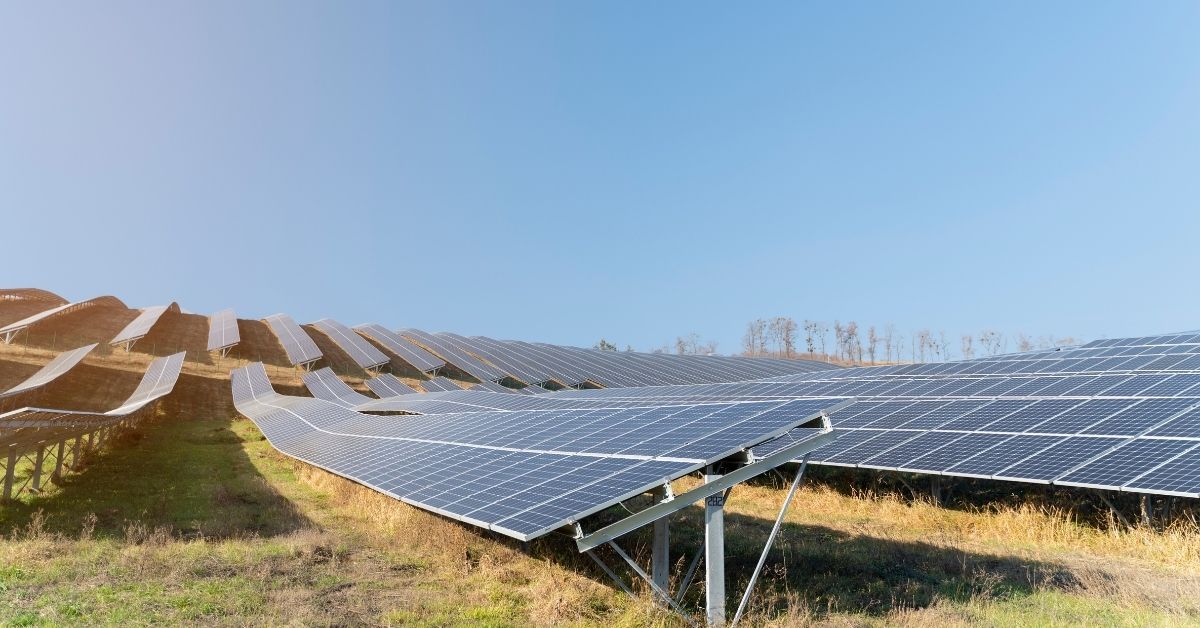
The transition from coalfields to solar fields reflects a broader shift toward sustainable development that restores degraded land, reduces carbon emissions and promotes social and economic resilience. This transformation embodies the essence of a just energy transition, where progress supports both people and the planet.
Across Africa, several countries are leading the shift toward solar fields as part of their broader sustainable energy transition. In South Africa, the Kenhardt Solar and Battery Project with a capacity of 540 MW of solar power and 225 MW of storage, showcases how hybrid renewable systems can stabilize the grid and reduce dependence on coal-fired energy. Morocco has become a continental leader through the Noor Ouarzazate Solar Complex, one of the world’s largest concentrated solar power plants, which supplies clean electricity to over one million people while reducing carbon emissions. In Egypt, the Benban Solar Park near Aswan generates over 1.6 GW of power, illustrating how strong policy frameworks and investment partnerships can accelerate renewable deployment.
Collectively, these examples highlight Africa’s growing leadership in renewable energy, showing that strategic investment, supportive policies and community participation are essential for scaling solar field development. By leveraging such experiences, countries can transform disused or degraded lands including former coalfields into hubs of clean energy, economic opportunity and environmental regeneration, aligning with the continent’s vision for a just and sustainable energy future.

Transforming coal mines into solar fields presents a powerful opportunity to advance clean energy, restore degraded land and creation of employment. In coal-dependent regions such as South Africa, Zimbabwe and Mozambique, decommissioned mines could be repurposed into solar farms capable of producing over 60 gigawatts of renewable electricity enough to power millions of homes and reduce heavy reliance on fossil fuels.
In South Africa alone, where more than 100 coal mines are expected to close by 2040 as reported by UCT News, this shift could generate thousands of jobs in solar installation, maintenance and energy management while supporting local economies.
It is generally safe to build solar fields on former coal mines, provided that environmental and structural risks are properly managed. Many abandoned mines contain contaminated soil or unstable ground but with measures such as soil capping, land grading and pollution monitoring, the sites can be made suitable for solar development. This approach has been successfully applied in countries like Germany, the United States and China, where former coal or industrial sites have been converted into large-scale solar parks without health or environmental hazards.
The transition from coalfields to solar fields in Africa will rely on a mix of public and private financing. While governments provide policy support and initial incentives, most funding will come from foreign investors, development banks and public–private partnerships focused on renewable energy.
Institutions like the African Development Bank and the Green Climate Fund are already backing such projects through green loans and grants. Although taxpayers may indirectly contribute through state subsidies or infrastructure costs, private capital remains key to scaling the transformation. A balanced funding model where governments enable and investors finance, this will make the shift both affordable and sustainable.
Read also: Harmonizing climate standards: Unlocking Africa’s competitiveness in a low-carbon economy
This approach also supports several Sustainable Development Goals (SDGs), including affordable and clean energy (SDG 7), decent work and economic growth (SDG 8), industry and innovation (SDG 9), sustainable cities (SDG 11) and climate action (SDG 13). By adopting circular land use strategies, countries can convert degraded mining areas into productive assets that generate renewable power, create employment and restore ecosystems.
The transition also faces challenges, including limited financing, weak infrastructure and the risk of leaving coal-dependent communities behind. To overcome these barriers, governments must create clear policies and incentives, while investors and development partners provide affordable green financing. Retraining programs can equip former miners with new skills and community ownership models can ensure locals share in the benefits. With inclusive planning and strong governance, Africa can turn this complex transition into a sustainable success.
As climate change accelerates, the African continent faces worsening droughts, floods and energy crises that threaten food security and economic stability. In response, initiatives such as the Africa Just Energy Transition Partnership (JETP) and the Africa Green Hydrogen Alliance are mobilizing billions to support renewable energy investments. However progress remains slow, constrained by outdated policies and limited funding. Acting decisively now can turn this challenge into opportunity thus creating clean energy, new livelihoods and a more resilient future. If Africa moves swiftly, it can position itself as a global leader in sustainable development, showing that growth and regeneration can go hand in hand.
